
Bilje koje biramo
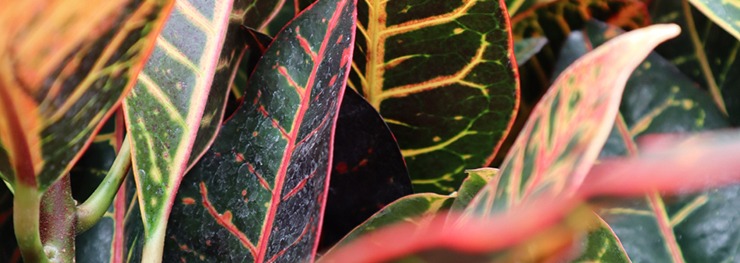 This plant is native to the tropical forests of Southeast Asia and Oceania. For decades, plants in the Croton family were considered outdoor-only, needing several hours of direct light to thrive.
Croton petra plants are susceptible to the bacterial diseases crown gall and xanthomonas leaf spot, and the fungal diseases anthracnose and stem gall and canke
asdfsadfsdaf
This plant is native to the tropical forests of Southeast Asia and Oceania. For decades, plants in the Croton family were considered outdoor-only, needing several hours of direct light to thrive.
Croton petra plants are susceptible to the bacterial diseases crown gall and xanthomonas leaf spot, and the fungal diseases anthracnose and stem gall and canke
This plant is native to the tropical forests of Southeast Asia and Oceania. For decades, plants in the Croton family were considered outdoor-only, needing several hours of direct light to thrive.
Croton petra plants are susceptible to the bacterial diseases crown gall and xanthomonas leaf spot, and the fungal diseases anthracnose and stem gall and canke Shop this plant
This plant is native to the tropical forests of Southeast Asia and Oceania. For decades, plants in the Croton family were considered outdoor-only, needing several hours of direct light to thrive.
Croton petra plants are susceptible to the bacterial diseases crown gall and xanthomonas leaf spot, and the fungal diseases anthracnose and stem gall and canke Shop this plant
This plant is native to the tropical forests of Southeast Asia and Oceania. For decades, plants in the Croton family were considered outdoor-only, needing several hours of direct light to thrive.
Croton petra plants are susceptible to the bacterial diseases crown gall and xanthomonas leaf spot, and the fungal diseases anthracnose and stem gall and canke Shop this plant
This plant is native to the tropical forests of Southeast Asia and Oceania. For decades, plants in the Croton family were considered outdoor-only, needing several hours of direct light to thrive.
Croton petra plants are susceptible to the bacterial diseases crown gall and xanthomonas leaf spot, and the fungal diseases anthracnose and stem gall and canke Shop this plant
This plant is native to the tropical forests of Southeast Asia and Oceania. For decades, plants in the Croton family were considered outdoor-only, needing several hours of direct light to thrive.
Croton petra plants are susceptible to the bacterial diseases crown gall and xanthomonas leaf spot, and the fungal diseases anthracnose and stem gall and canke Shop this plant
